
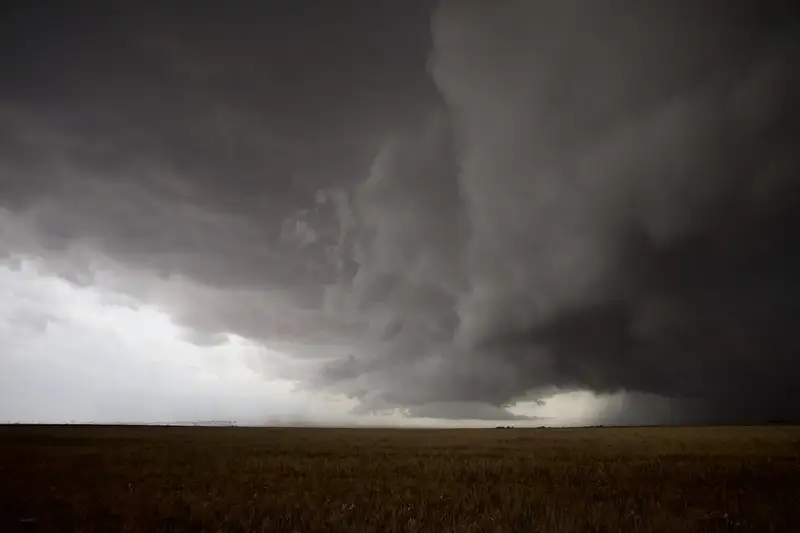
After a night of strong winds and heavy rain, it's always worth checking your buildings for damage -even if everything looks fine from a distance. Small problems left unrepaired can quickly become big, expensive ones. Here's what to look for and what to do about it.
Safety First
Before you start inspecting your buildings after a storm, a few important safety points:
- Stay away from downed power lines -if any overhead cables near your buildings have come down, keep well clear and call your electricity supplier immediately.
- Don't go up on the roof -inspect from the ground using binoculars if needed. Roof sheets can be weakened by storm damage, and wet surfaces are dangerously slippery.
- Watch for loose sheets -if roof or wall sheets are flapping in the wind, keep your distance. A loose sheet in high winds can cause serious injury.
- Check inside before entering -if the building looks structurally damaged, don't go in until it's been assessed by someone who knows what they're looking at.
Roof Damage
The roof takes the brunt of any storm, so this is where most damage occurs:
- Missing or displaced sheets -strong winds can lift roof sheets, especially older ones where the fixings have corroded. Look for gaps, lifted edges or sheets that have shifted out of position.
- Ridge damage -the ridge capping along the top of the roof is particularly vulnerable to wind uplift. Check it's still in place and properly fixed.
- Bent or buckled sheets -even if sheets haven't blown off, they can be bent by wind pressure. Buckled sheets won't seal properly and will leak.
- Debris damage -branches, tiles from nearby buildings or other windblown debris can dent or puncture roof sheets.
Gutters and Rainwater
- Gutters pulled away -high winds and heavy rainfall can overwhelm gutters, pulling them off their brackets or snapping joints.
- Blocked downpipes -debris washed into gutters during a storm can block downpipes, causing water to back up and overflow.
- Water pooling -look for standing water around the building that wasn't there before. This could indicate blocked drains or damaged guttering.
Doors
- Roller shutter doors -strong winds can force roller shutters off their tracks or bend the slats. If a door looks buckled or won't open/close properly, don't force it -you could make the damage worse.
- Personnel doors -check for twisted frames, broken hinges or doors that no longer close properly. A door that won't latch is a security risk and a weak point in the next storm.
- Sliding doors -check the tracks and wheels. Wind can force sliding doors off their runners, especially if the bottom track is already worn.
Structural Checks
Most properly built steel buildings will come through a storm just fine, but it's worth checking for any signs of structural movement:
- Leaning or bowing -stand back and look at the building from different angles. Does anything look out of true? Even a slight lean that wasn't there before could indicate foundation or structural issues.
- Cracked concrete panels -storm forces can crack or shift concrete panel walls, especially on older buildings.
- Loose bracing -if you can safely see the internal steel frame, check that cross-bracing and connections look normal. Loose bolts or shifted connections need professional attention.
What to Do If You Find Damage
- Make it safe -if loose sheets or other debris pose an immediate danger, cordon off the area and keep people and livestock away.
- Take photos -document everything for your insurance claim. Photograph the damage from multiple angles, including any wider context that shows the extent of the problem.
- Contact your insurer -most farm and commercial building insurance policies cover storm damage. Report the damage promptly -some policies have time limits for reporting claims.
- Get a professional assessment -temporary fixes are fine to stop things getting worse, but get a proper assessment and repair quote from someone who specialises in steel buildings. A bodged repair can hide ongoing problems.
- Don't delay repairs -storm damage left unrepaired will get worse. A small leak becomes a big one. A loose sheet becomes a missing sheet. Fix it now while it's manageable.
Emergency Repairs
We offer an emergency repair service for storm-damaged buildings across East Sussex and the surrounding areas. If you've got a building that's been damaged and needs urgent attention, give us a call and we'll get out to you as quickly as we can to make it safe and start the repair process.
Storm damage? Call us now.
We offer emergency repairs for storm-damaged agricultural and commercial buildings.